Transform Your Attic: How Rooflights Can Add Value and Light
Transforming an attic with rooflights presents an opportunity to enhance both light and space. The installation of these features not only illuminates the environment but also adds considerable value to a property. As natural light boosts mood and energy efficiency, it becomes obvious that rooflights can transform underutilized areas. Yet, the selection of rooflight and design can be crucial. What considerations should one consider when initiating this project?
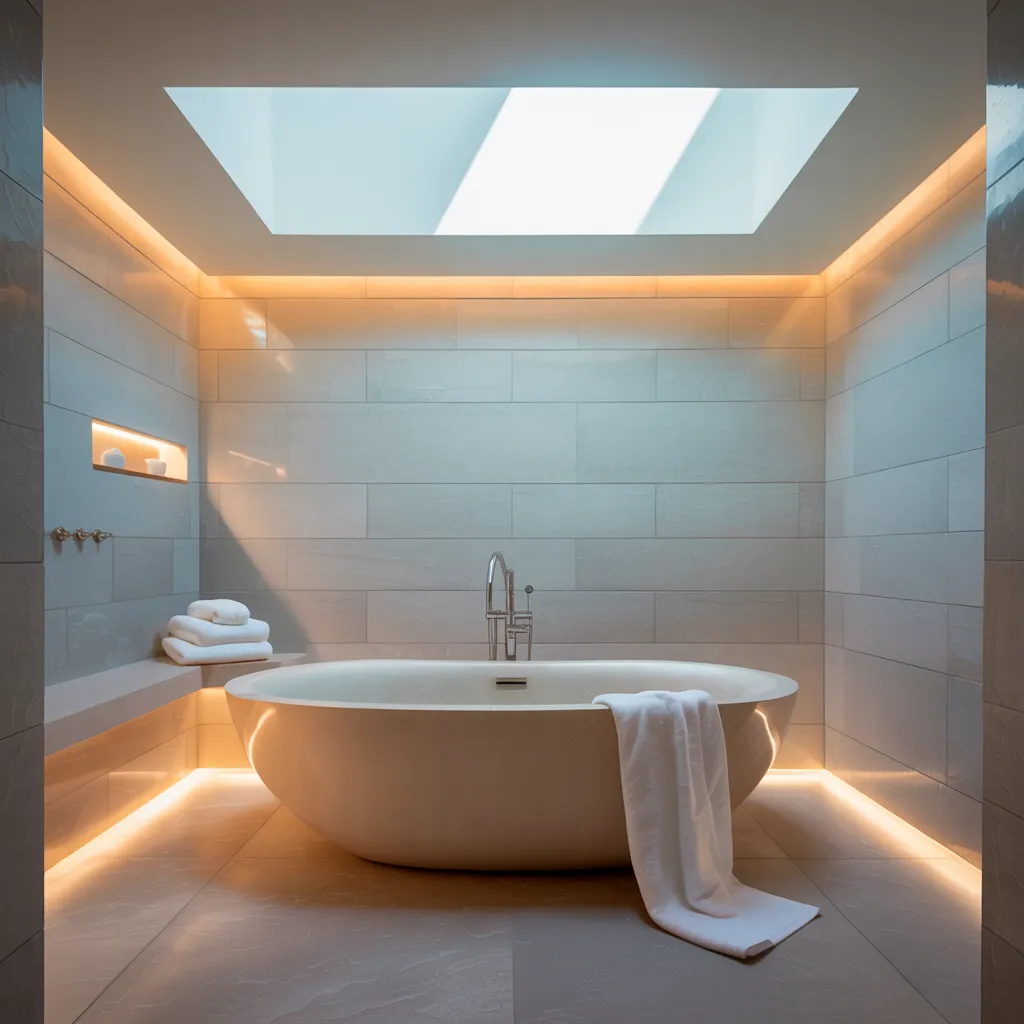
Why Choose Rooflights for Your Attic Transformation
What makes rooflights ideal for an attic conversion? Rooflights play a central role in transforming a neglected attic space into a bright, practical living area. They greatly enhance natural light, creating an open, airy atmosphere that can dramatically improve the overall aesthetic and ambiance. This abundance of natural light not only boosts morale but also aids in decreasing dependence on artificial lighting, supporting energy savings.
Furthermore, rooflights can boost a building's appeal. Future purchasers often prefer homes with well-lit spaces, making an attic conversion increasingly attractive. The strategic placement of rooflights can also offer spectacular views of the sky, adding a special charm to the attic.
Moreover, rooflights enable ventilation, optimizing air circulation and ensuring a pleasant environment. To summarize, integrating rooflights into an attic renovation is a wise choice that blends aesthetic appeal, sustainable energy use, and enhanced property appeal.
Different Kinds of Rooflights: Choosing the Right One?
Choosing the right type of rooflight can considerably influence the overall result of an attic conversion. Various options are on offer, each providing distinct advantages. Fixed rooflights are well-regarded for their ease of use and effectiveness in brightening spaces, while opening rooflights provide ventilation alongside natural light, improving air quality. For those looking for a modern appeal, skylights come in numerous designs and materials, enabling customization to suit the attic's appearance.
Dome rooflights, frequently found on flat roofs, are excellent at maximizing the amount of light received and can be installed in various arrangements. Furthermore, tube skylights are ideal for confined areas, directing natural light via reflective tubing. When selecting a rooflight, factors including size, orientation, and the attic's layout are essential. Ultimately, the best option not only boosts the brightness of the space but also supports its general functionality and aesthetic appeal.
The Impact of Natural Light on Well-Being
Natural light plays a crucial role in improving overall well-being. Exposure to natural light has been linked to better mood and higher energy levels. Research indicates that natural light can greatly affect mental health, reducing symptoms of anxiety and depression. By flooding spaces with sunlight, individuals often notice an increase in serotonin production, which contributes to feelings of happiness and calmness.
Moreover, natural light aids in the management of circadian rhythms, encouraging improved sleep habits. This physiological harmony fosters a perception of balance and rejuvenation, which is critical for general well-being. In rooms such as attics, incorporating rooflights can optimize sunlight exposure, establishing a more welcoming and calming atmosphere. The mental health advantages of natural light go beyond simple visual appeal, influencing productivity and creativity as well. Therefore, enhancing living spaces with rooflights can positively influence both emotional and physical health.
How Rooflights Can Raise Your Property Value
Adding rooflights to an attic transforms the space into a bright, airy retreat that can greatly increase property value. By letting natural light stream through, rooflights elevate the overall charm of a house, making it more attractive to potential buyers. This feature not only develops a more appealing ambiance but also highlights the practical space that an attic can offer.
Homebuyers commonly search for properties with unique features that set themselves apart from other listings. Skylights can act as a central feature, showcasing architectural design and increasing aesthetic value. Additionally, naturally lit areas frequently seem bigger, thereby enhancing the perceived square footage of the property.
In addition, energy savings can be achieved through the integration of contemporary rooflight solutions, which could attract environmentally conscious buyers. In the end, the incorporation of rooflights converts an underutilized area into a valuable functional space, contributing positively to the property's commercial appeal and long-term value.
Unique Design Ideas for Transforming Your Attic
When exploring creative design ideas for attic spaces, creative lighting choices can dramatically enhance the atmosphere. Additionally, converting the space into versatile areas provides enhanced versatility, supporting multiple uses. An inviting reading corner can serve as an ideal escape, blending comfort with style.
Custom Lighting Solutions
How can innovative lighting transform an attic into a welcoming retreat? Through incorporating distinctive lighting options, residents can substantially elevate the mood and practicality of their attic environments. Thoughtful installation of LED strip lights along beams or shelves can generate a warm, appealing radiance, as pendant fixtures can function as impressive visual anchors. Skylights not only provide natural light but also make spaces feel larger and more open. Adding dimmable lighting options provides adaptable brightness control, permitting residents to tailor the ambiance to suit different times or settings. Furthermore, incorporating ornamental lamps or wall-mounted sconces can introduce character, turning the attic into a snug hideaway. Ultimately, thoughtful lighting design elevates the aesthetic appeal and usability of the attic.
Multi-Purpose Spaces
Creative lighting options not only elevate the ambiance of an attic while also create opportunities for creative design opportunities. Through the use of quality rooflights, attics can be converted into versatile areas that accommodate various needs. For example, a well-lit, spacious atmosphere can function as a personal workspace during the day, while subtle, adaptable illumination can establish a cozy relaxation zone during evening hours. Adding flexible furniture pieces enables convenient restructuring, supporting activities ranging from relaxation activities to group entertainment. By merging practicality with visual appeal, a carefully crafted attic area can optimize usability while preserving visual appeal. Consequently, the possibilities for transformation are limited only by imagination, making attics valuable assets in modern homes.
Comfortable Reading Corners
Creating a comfortable reading read here corner in an attic can turn an underutilized space into a serene retreat, well-suited for leaving behind the stress of everyday life. Thoughtfully positioned rooflights can fill the room with natural light, boosting its warm atmosphere. Decorating the nook with a plush chair or chaise lounge, fluffy pillows, and a soft blanket creates an excellent spot for rest. Integrating bookshelves, whether built-in or freestanding, facilitates easy access to a handpicked selection of books and literature. Placing personal touches, such as paintings or accent lights, beautifully complements the space's appeal. This thoughtful design not only elevates the attic's value but also adds to the property's overall worth, making it a rewarding decision.
Installation Tips for a Successful Rooflight Project
When considering the installation of a rooflight, choosing the right location is crucial for enhancing natural light intake and improving the room's ambiance. Working with experienced specialists confirms that the installation is completed safely and effectively. Additionally, effective insulation is necessary to preserve energy efficiency and comfort in the upgraded loft space.
Find The Right Location
Identifying the correct placement for a rooflight is important to maximizing both sunlight and aesthetic appeal in an attic conversion. For best results, rooflights should be installed to capture the most sunlight throughout the day, typically on the southward-facing side of the roof. This location not only improves light levels but also decreases reliance on artificial lighting. Furthermore, considering the existing roof structure and potential obstructions, such as chimneys or trees, is necessary. Rooflights should be installed in areas that align with the intended use of the space, whether for a living area. This strategic positioning delivers a balance between practicality and aesthetic appeal, ultimately enhancing the overall feel of the attic.
Recruit Experienced Professionals
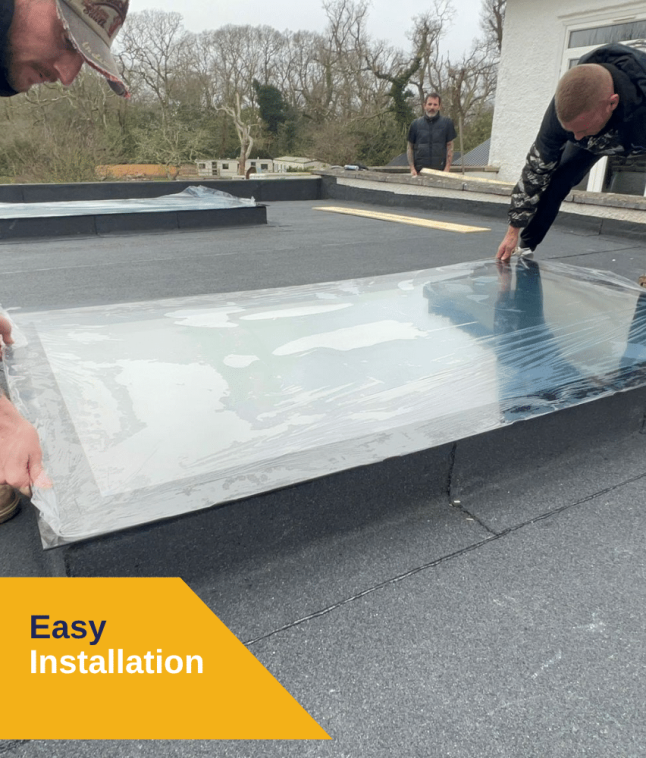
Working with skilled installers is crucial for a smooth rooflight installation. Their knowledge ensures that the installation complies with local building codes and safety protocols. Skilled contractors can effectively assess the structural stability of the roof, recognising potential obstacles that may develop during installation. They carry the necessary tools and methods to lessen disruption to the current space while achieving a professional finish. In addition, seasoned professionals can provide valuable guidance into ideal placements and design alternatives, improving both aesthetics and utility. It is wise to seek recommendations and review previous work to validate the selected professionals has a established track record. Overall, hiring qualified professionals not only secures the installation workflow but also plays a major role to the rooflight's lasting functionality and value.
Maintain Adequate Insulation
Ensuring proper insulation is essential for enhancing energy efficiency in a rooflight installation. It minimizes heat loss during colder months and decreases heat gain in the summer months. Homeowners are advised to initially examine the existing insulation in the attic, confirming it satisfies the recommended R-values for their location. Transitioning to superior insulation materials can substantially boost effectiveness. At the time of installation, it is important to address any gaps or leaks around the rooflight, as such issues can reduce the efficiency of the insulation. Moreover, opting for reflective insulation materials can aid in regulating temperature changes. Adequate ventilation must not be neglected, as it contributes to preserving a consistent living environment. By emphasizing insulation, homeowners can experience a comfortable home environment while fully realizing the value their rooflight delivers.
Commonly Asked Questions
What Energy Efficiency Advantages Do Rooflights Offer?
Rooflights enhance energy efficiency by optimizing natural daylight, decreasing dependence on artificial lighting. They enhance airflow, assisting in controlling internal temperature, and often result in lower heating and cooling costs, promoting sustainable living while enhancing overall comfort.
Do Rooflights Need Special Maintenance?
Rooflights generally require minimal maintenance, typically involving regular cleaning and checks for leaks. Making sure seals are intact and resolving any problems quickly can improve their durability and overall performance, supporting energy efficiency and visual appeal.
Can Rooflights Assist in Reducing Heating Costs?
Rooflights can indeed help reduce heating costs by enabling natural sunlight to warm rooms during daylight hours. This increased sunlight can decrease reliance on artificial heating, resulting in possible energy savings in the long run.
Are Rooflights Compatible with Every Type of Roof?
Rooflights are not universally suitable for all roof types. Their effectiveness depends on factors such as roof pitch, material, and structural integrity, demanding careful planning and professional consultation for the best possible installation outcomes.
What Building Regulations Govern the Installation of Rooflights?
Building regulations for installing rooflights typically include factors involving structural integrity, fire safety, and energy efficiency. Local authorities may require planning permission, confirming conformity with regulations that safeguard the structure and its inhabitants.